A Thanksgiving Prayer.
Variable dimensions.
Mason Gross Galleries, New Brunswick.
2018
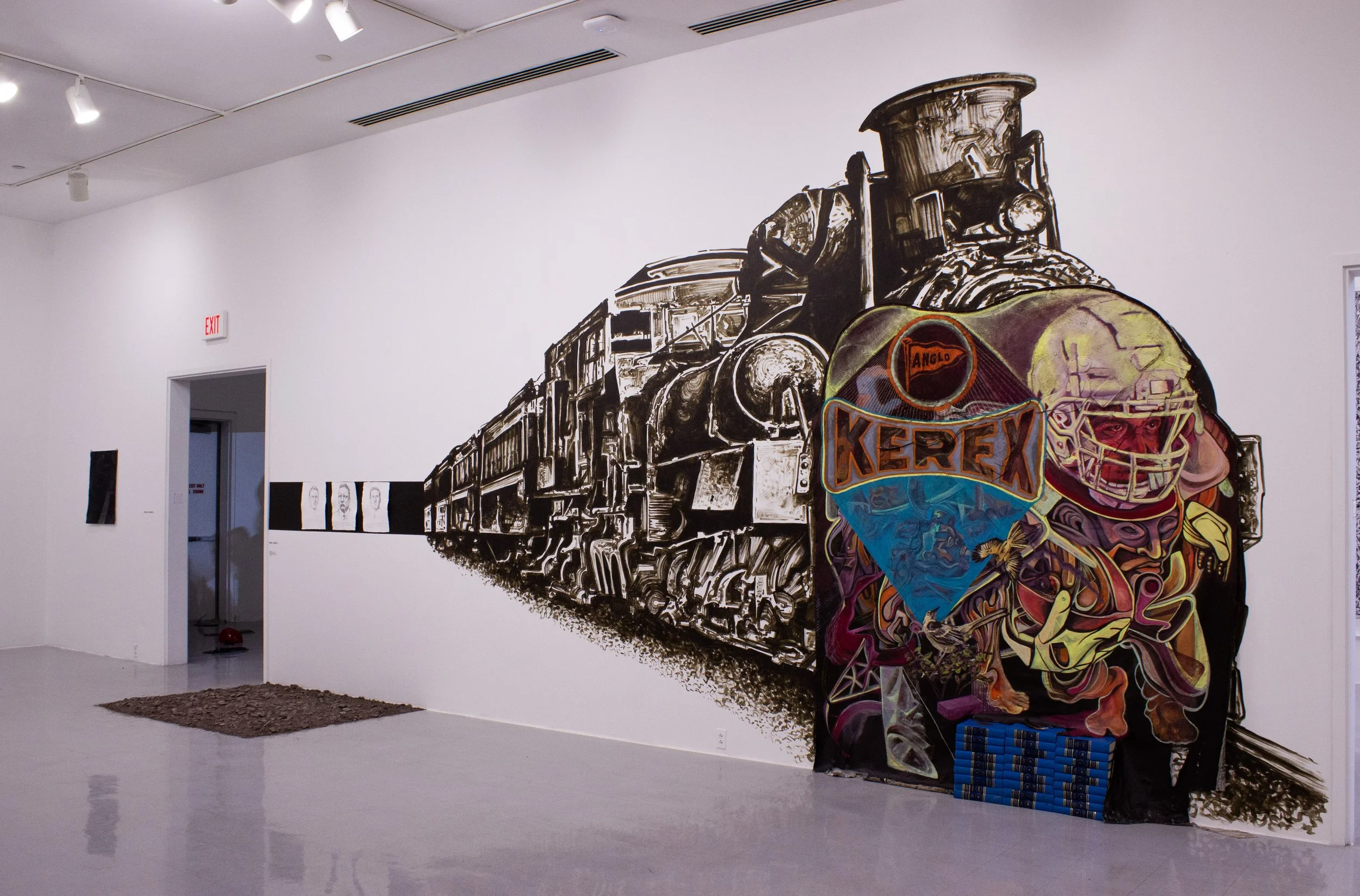
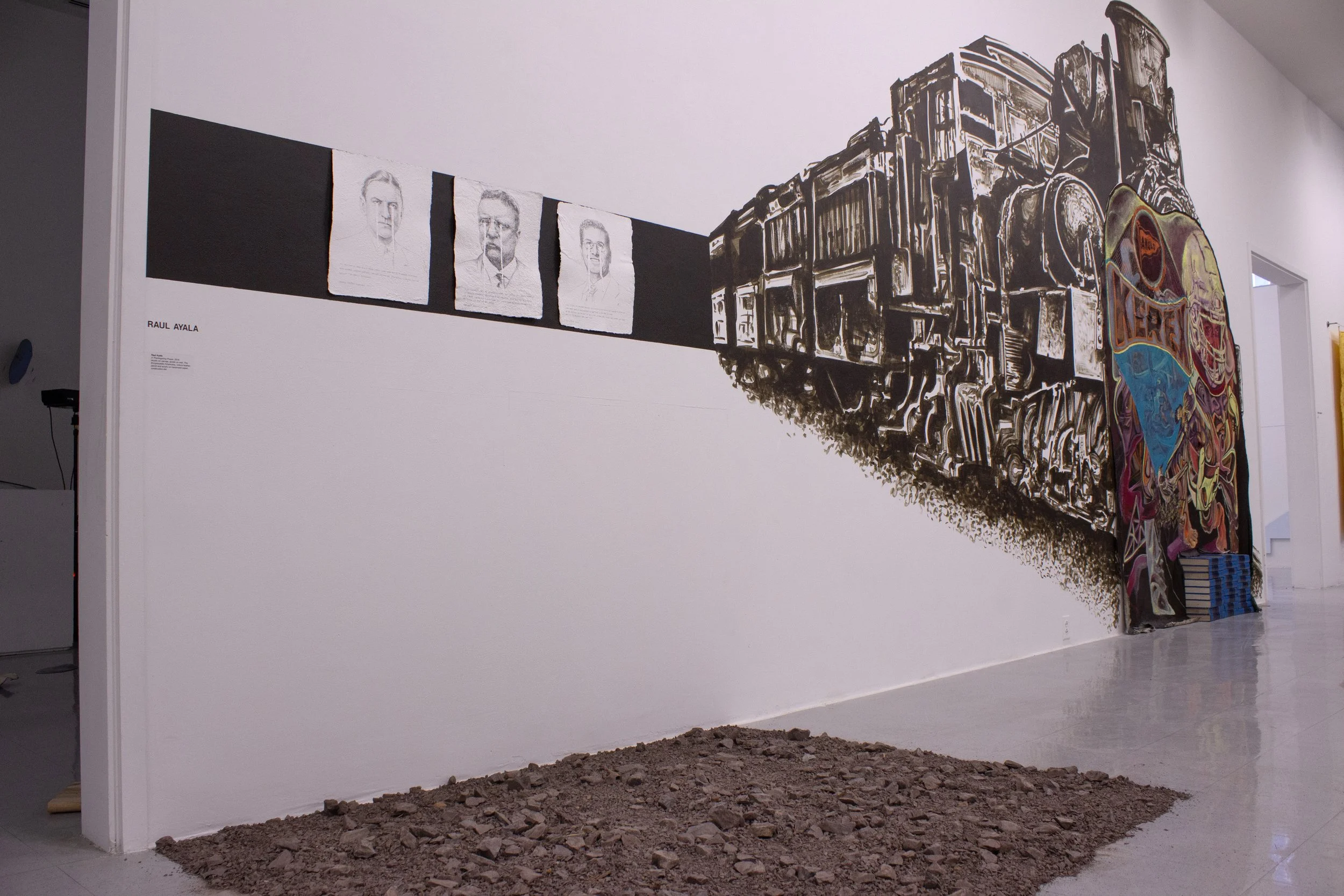
A Thanksgiving Prayer is a gallery installation that confronts participants with a semantic exploration of America’s relationship with Native Nations and their interpretations of symbolic erasure and appropriation. This is an attempt to shed light on how settler-colonial memory is both ubiquitous and invisible, and how it relates to American values of expansion and progress. Using a variety of media that serve as platforms for exploring these forces in relation to Indigenous Identity, I elaborate a linear composition that combines different temporalities at play in the construction of colonial power.
The installation consists of three components:
1. Security Blanket Statements:
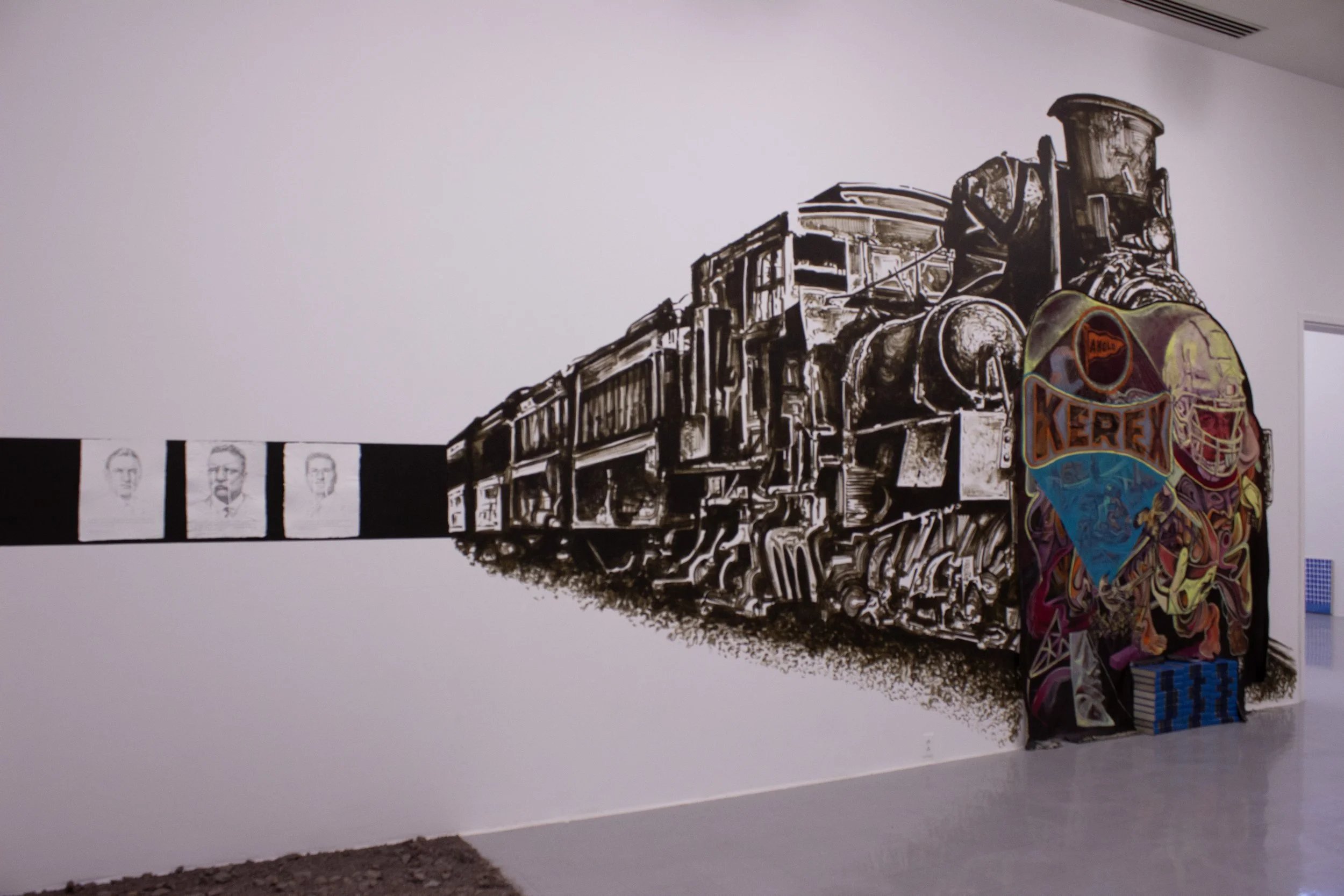
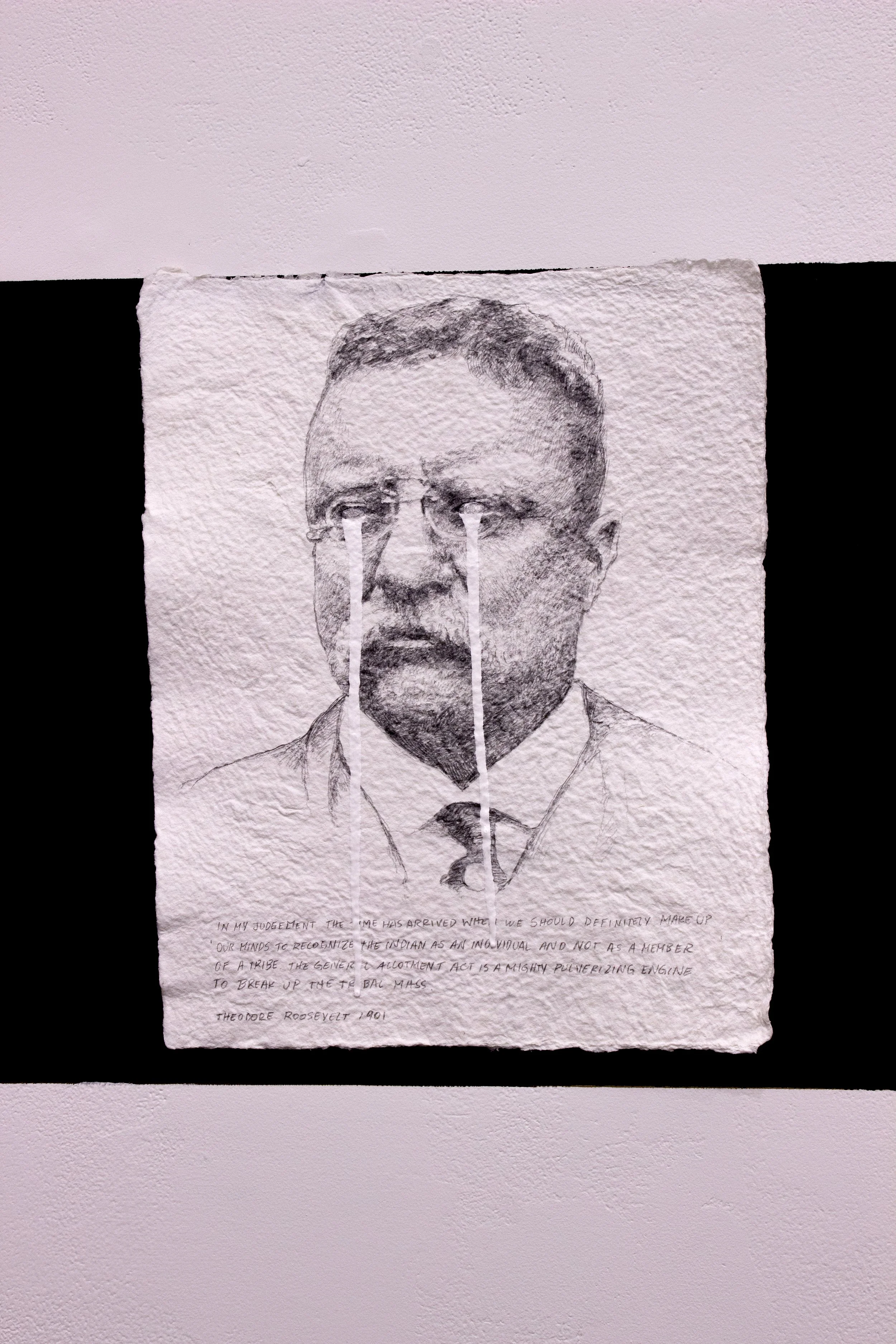
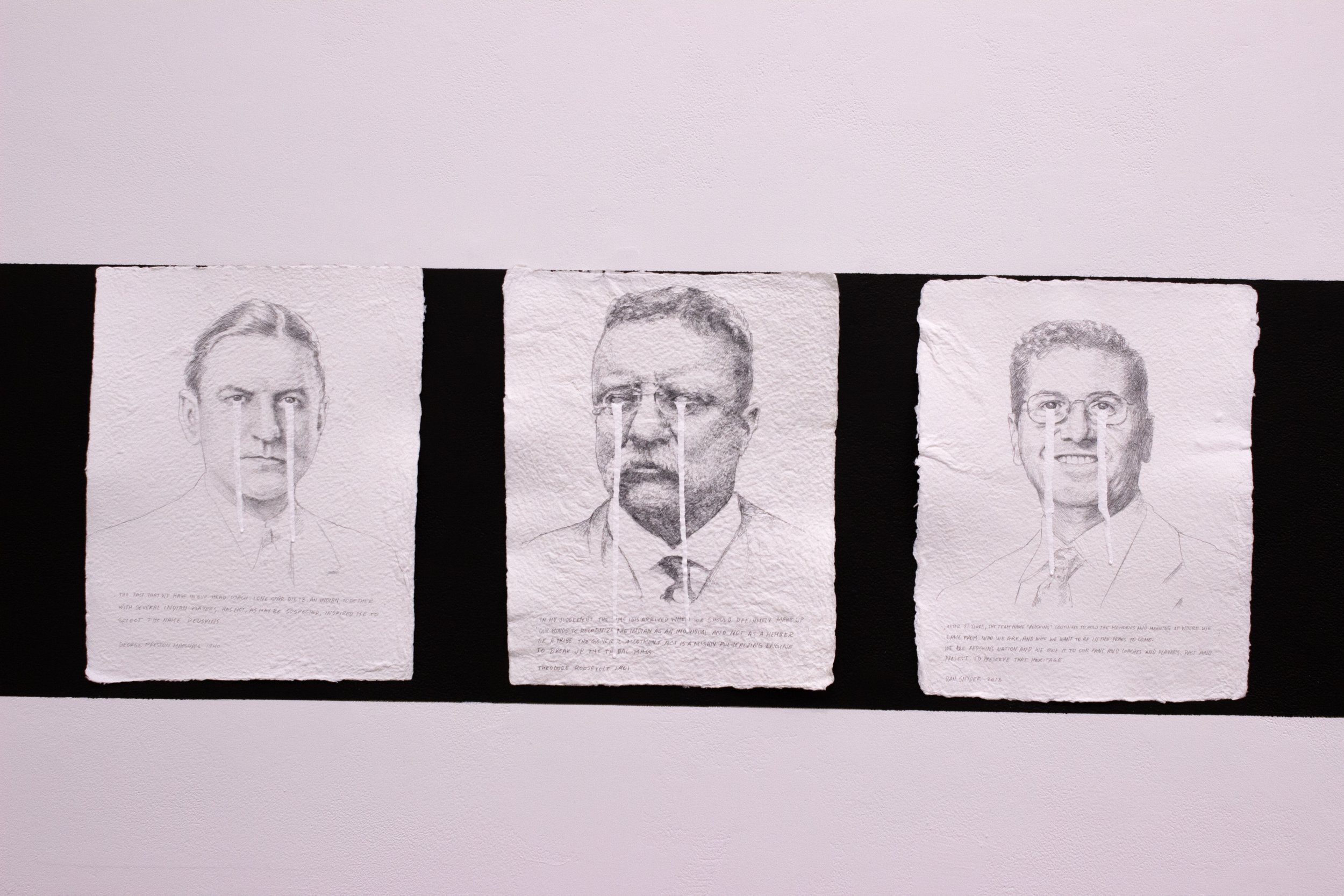
This series exists as an iconoclastic gesture that questions ideals of honor and belonging. It consists of a series of drawings of historical figures, accompanied by a statement that serves as evidence of how white supremacy relates to settler memory and colonial expansionist agendas. I portrayed Theodore Roosevelt with a quote on how the Allotment Act[3] is the tool to “Pulverize the Indian Tribe,” George Marshall, the first owner of the Redskins, with an ambiguous statement about the ulterior motives of the choosing of the Redskins’ name, and Dan Snyder, current owner of the team, with a justification of the name based on honoring traditions and Indigenous Cultures.
2. The Dead of the Obscure Idol:
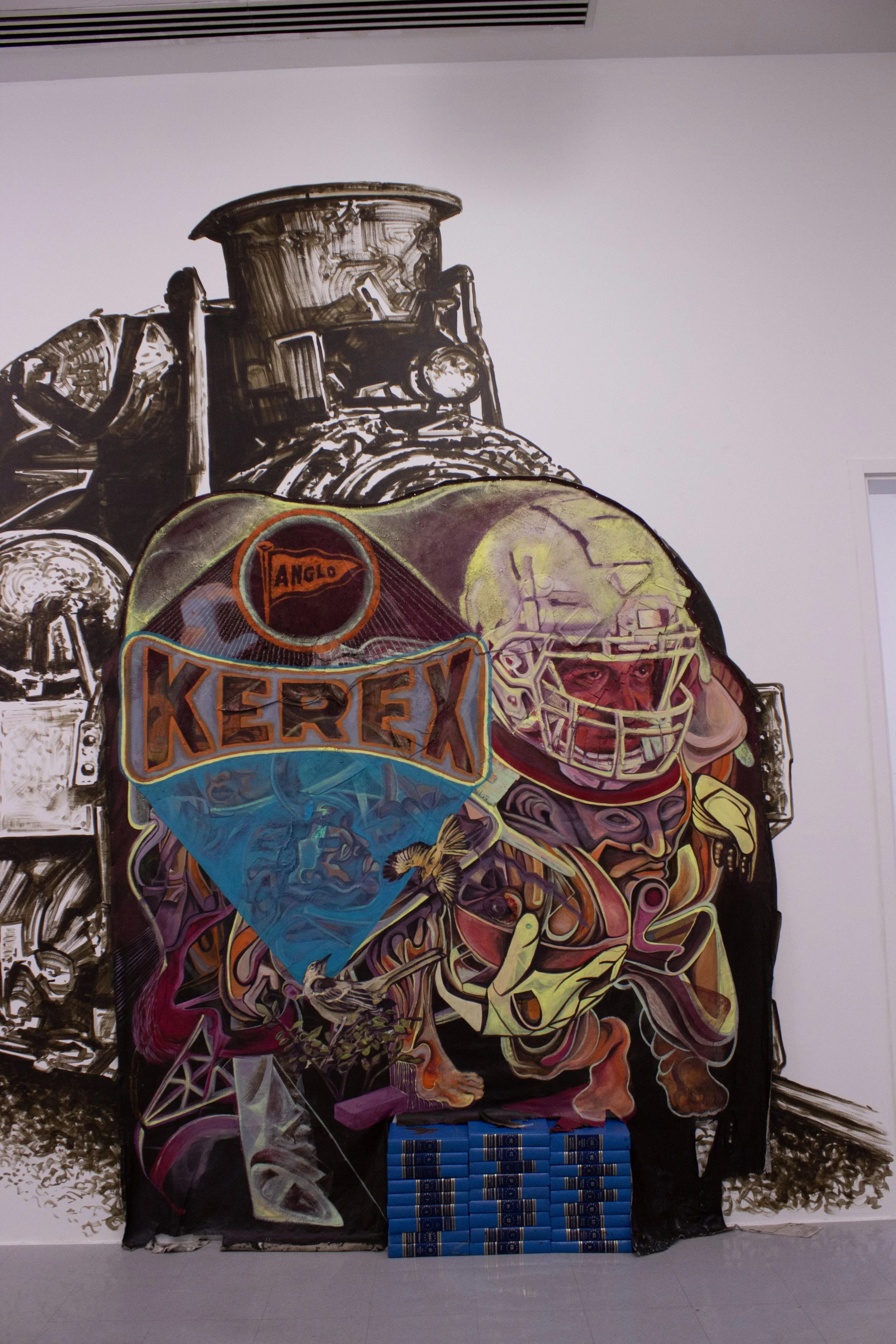
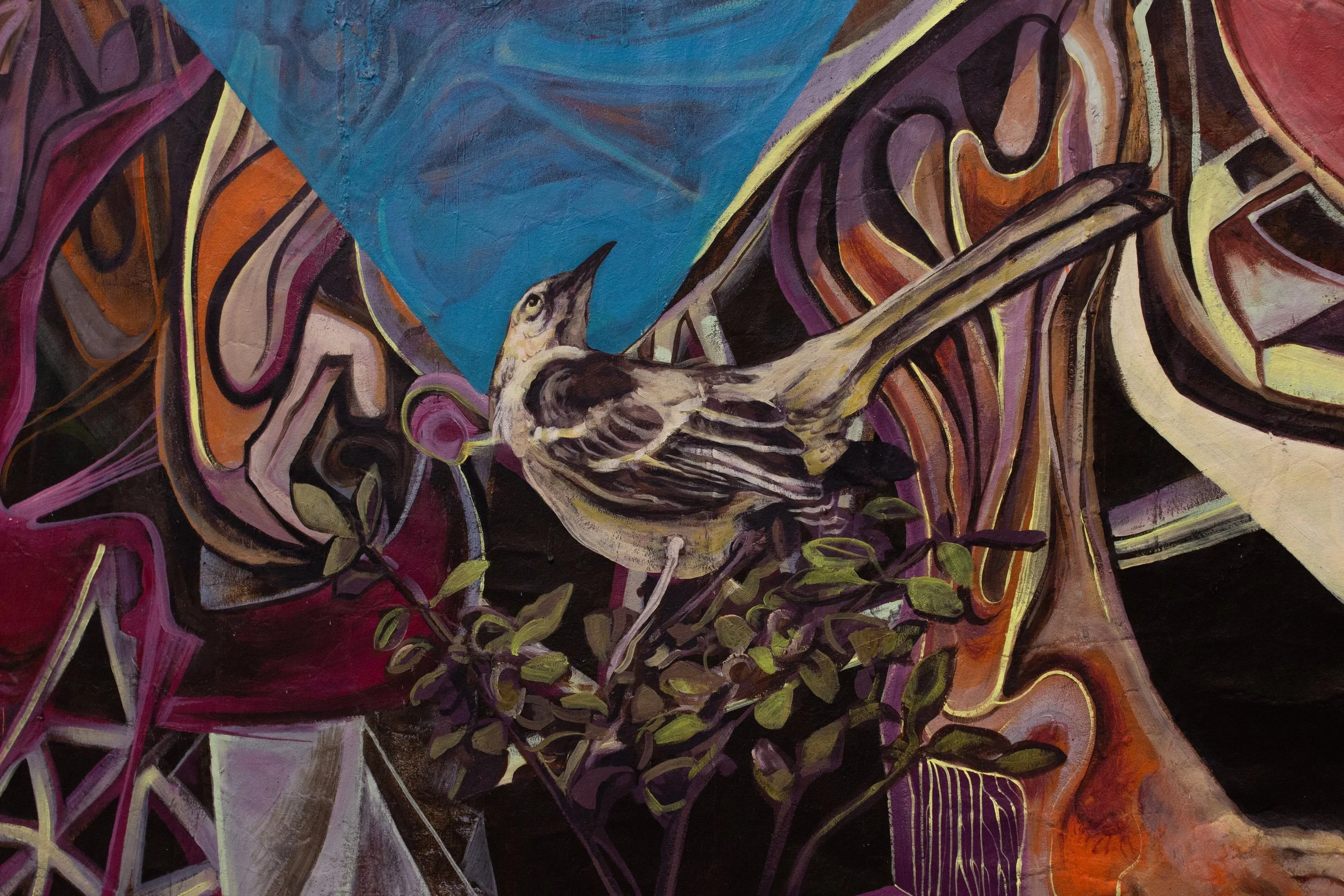
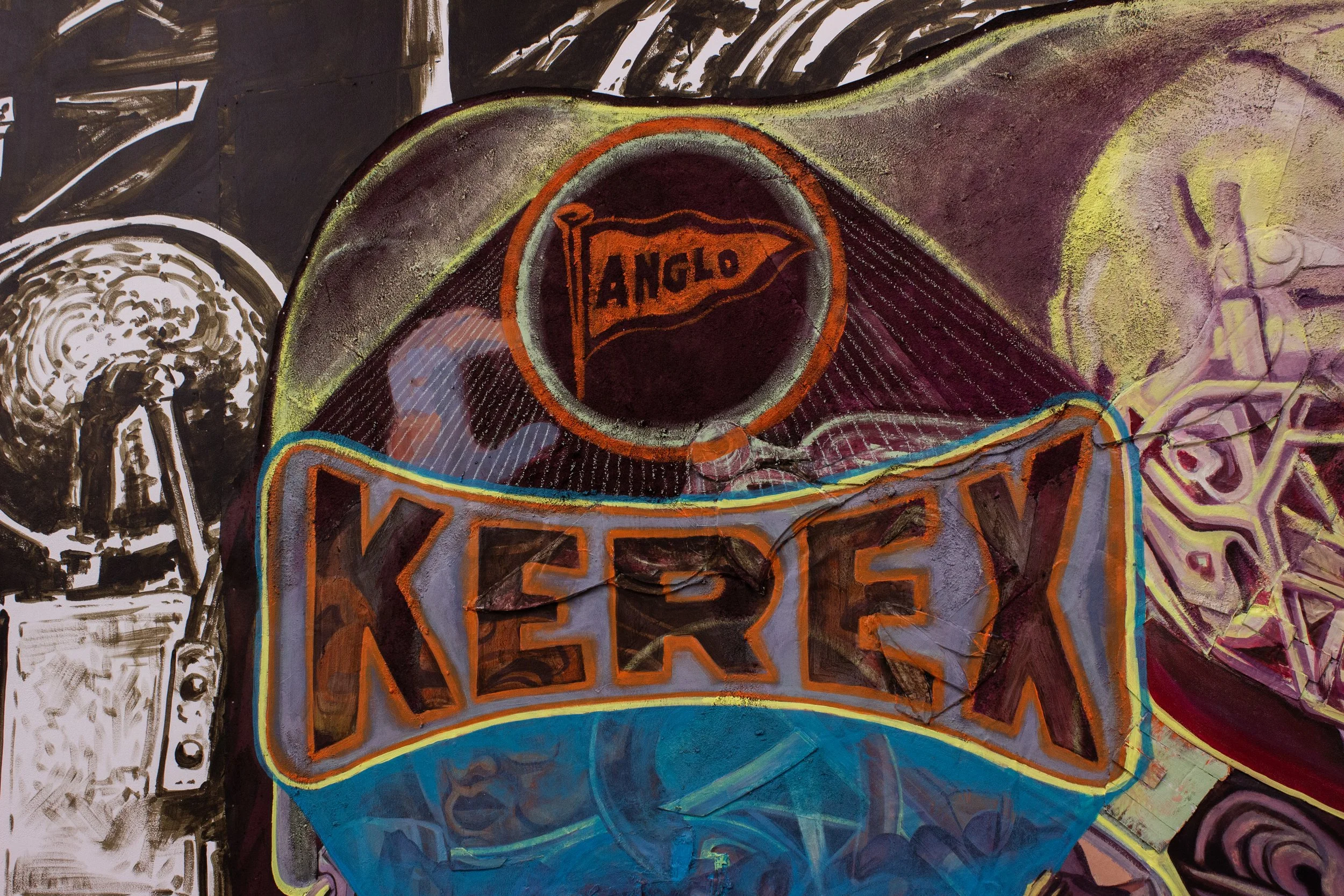
This is an acrylic painting on unstretched canvas nailed to the wall. Its basic structure is an interpretation of a short story by Cesar Davila Andrade[4], which follows the journey of a piano as it is carried through the Andes to an upper-class household by a group of indigenous huasipungueros[5]. I took this indigenist premise from the story as a way to break from Social Realism. This intention led me to conduct an experimental investigation in which I layered different content and materials. At the end of the experiment, the basic conceptual structure of an oppressive object being carried by indigenous people ultimately expanded and transformed the piano into a Kerosene brand (Anglo Kerex) from 1960s Ecuador. The people carrying the piano transmuted into a polymorphic football player.
3. America Awake:
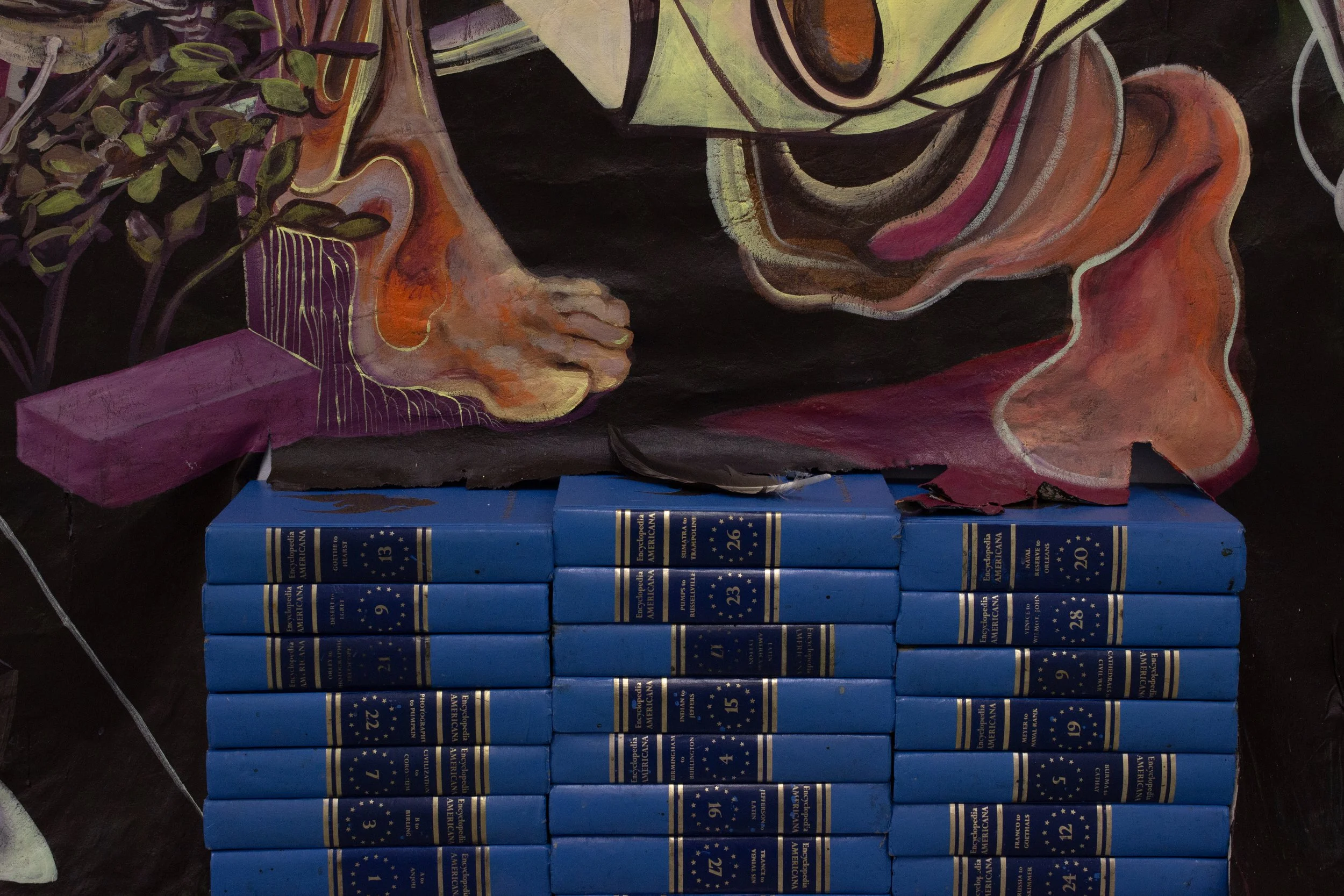
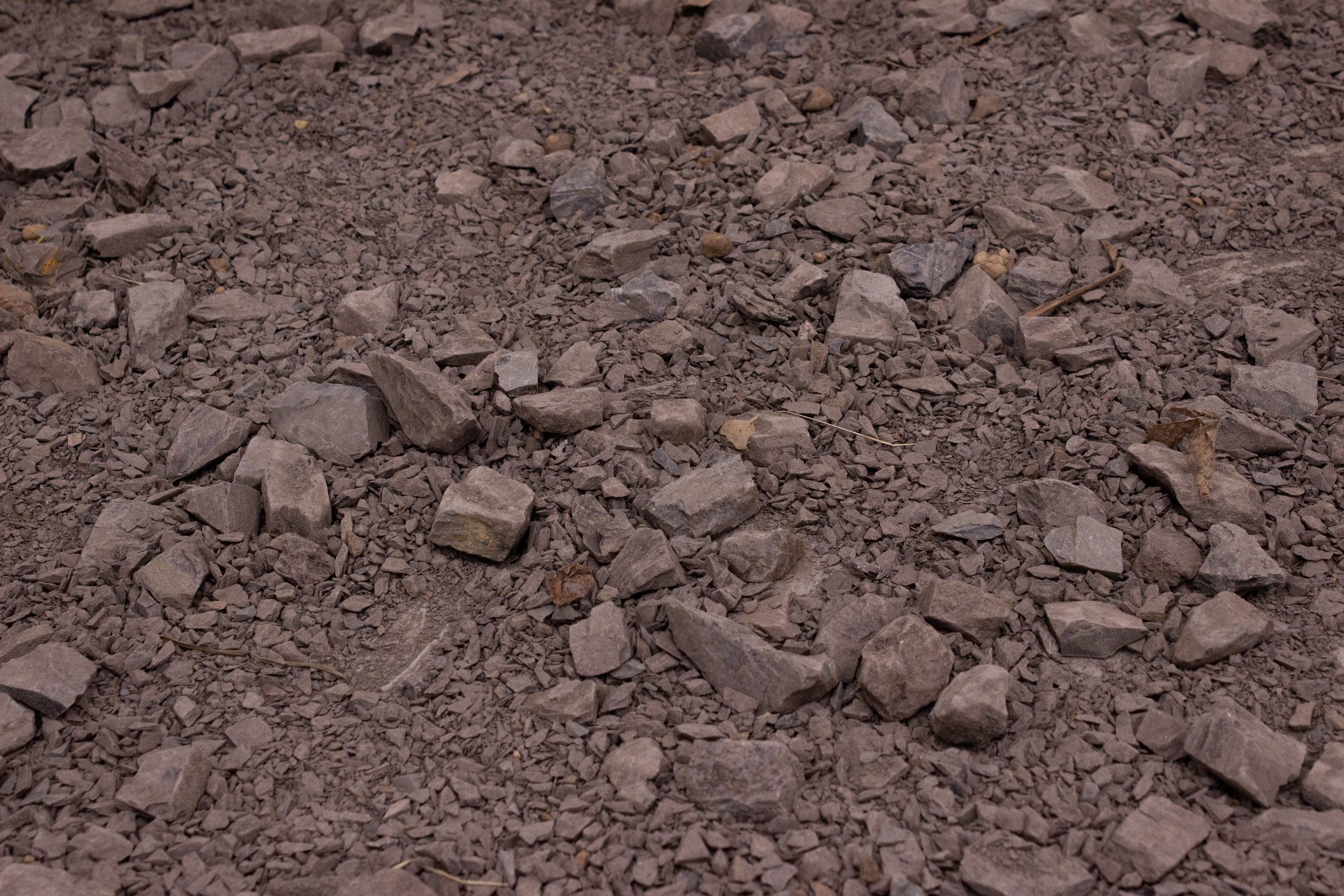
This component of the installation takes its title from an American Nazi Party banner used on white supremacist demonstrations in support of George Marshall’s denial to include an African American player in the team (1961). It uses objects and drawing directly on the gallery walls to cohesively bind all components on a single installation piece. I think of these unifying elements as historical grounds that further enhance all the parts. The drawing, for instance, depicts a train as a symbol of progress, resonating with the painting's subject matter. The construction gravel obstructing the close view of the Security Blanket Statements was taken from a nearby construction site to literally and metaphorically include the concept of Stolen Land. It serves as a frame for the drawings and invites participants who choose to engage with it to shift their perspective. The Encyclopedia Americana serves as the physical embodiment of ultimate truth and knowledge, emerging from the painting, and in relation to its main figure, the encyclopedia can be viewed as either an obstacle for the figure to surpass or a stepping stone for it to ascend. A vulture feather atop the books amplifies this polysemous relationship with the painting. The piece was constructed around a calendar event because I want it to question how our memory is shaped from within a colonial perspective and bring to light the operations behind our most fundamental traditions, places where we are supposed to feel at home and experience a sense of belonging.